
Services

What we do.

Assessment, modernization, efficiency and sustainability gains. Independent consultancy for data halls and pods — sustainable, efficient power and cooling. Assessment includes redundancy and assessments for financial events. Planning, modernization design, and deployment as independent coordination. Uptime improvement, efficiency improvement, performance witness testing, vendor assessment and grading. Current and past clientele: owners, operators, GCs, MEP/Cx teams, and manufacturers. Market and technology consultancy to manufacturers.

01

Assessment

Assessment is walking the data hall or pod — load, cooling, power, and what is actually installed versus what the drawings say. That is the start, not a slide deck.

It includes redundancy assessment and assessments for financial events: independent technical assessment of the data hall or pod that can support a financial event. Klimaterra is not a banker, broker, or appraiser.

Both sides of the white space: the air or liquid plant that rejects heat, and the power path that has to feed it. Start from the hall or pod as it is. A catalog is the wrong document.

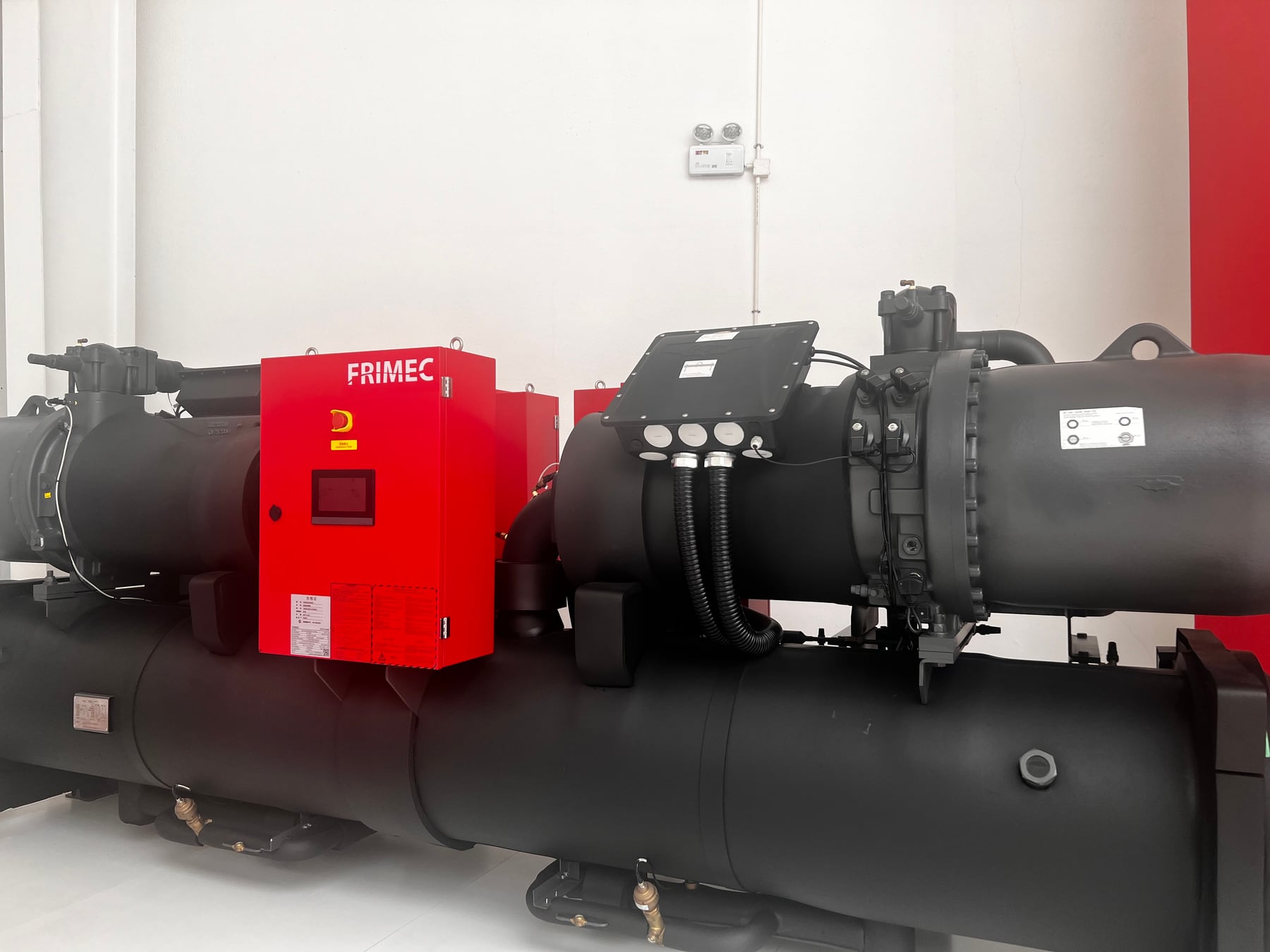
This is not comfort cooling and not a product walkthrough. The duty is IT load, through whatever medium carries it.
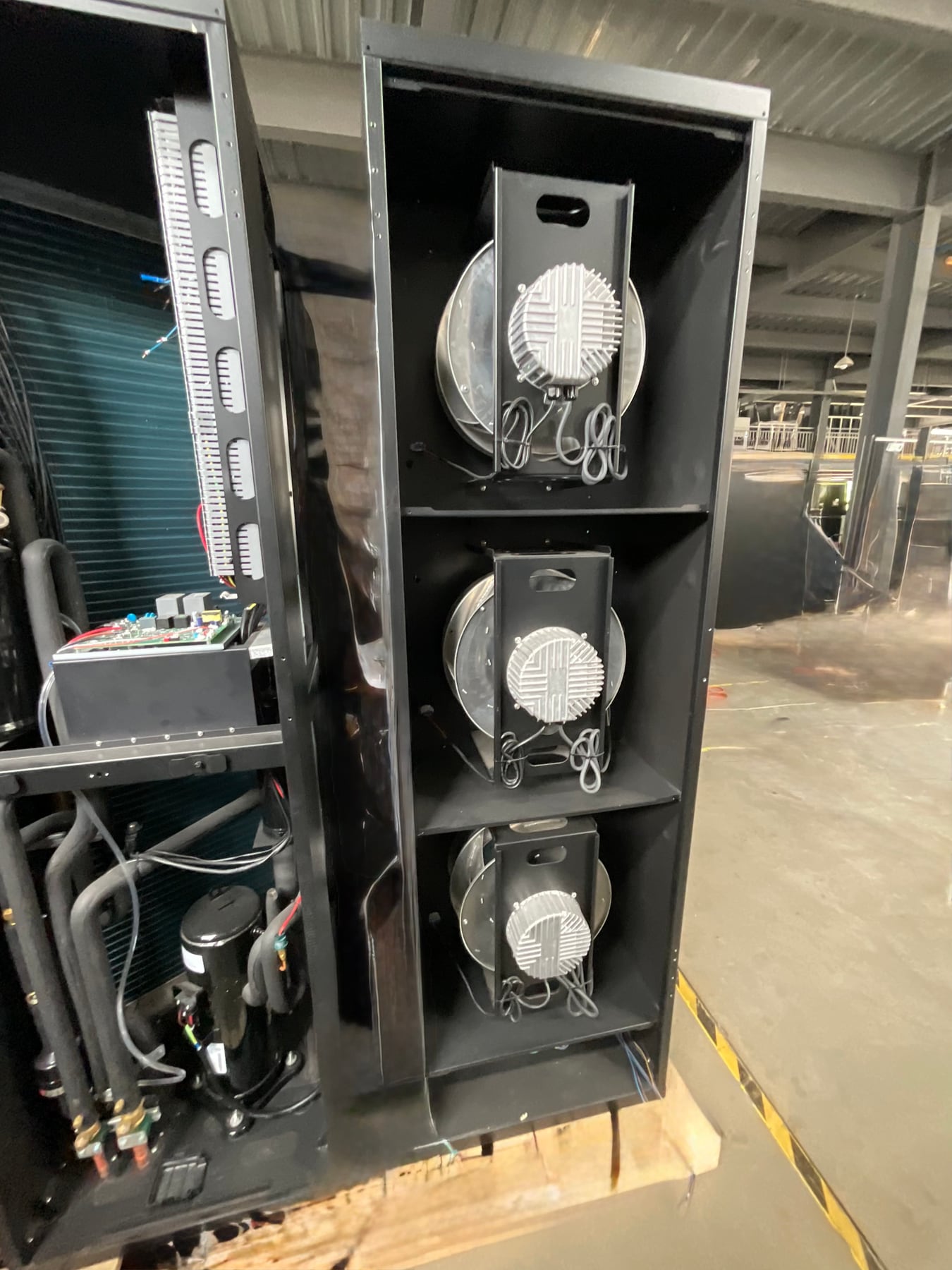
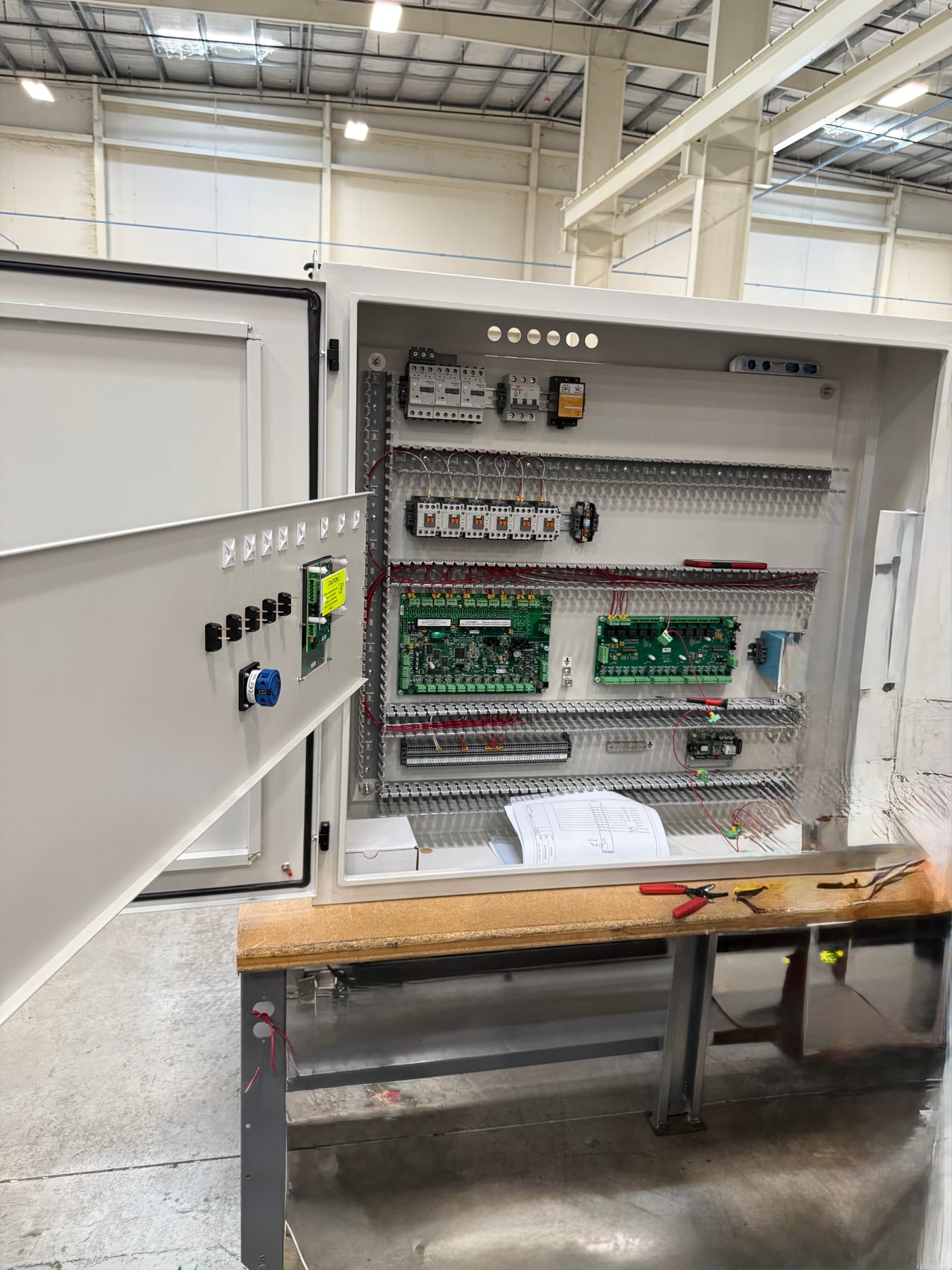
02

Redundancy assessment

Redundancy on paper and redundancy in the white space are not always the same job. The assessment is whether the data hall or pod still holds when a cooling unit, a CDU, a UPS module, or a feeder is lost.

Both sides: cooling (air plant, liquid plant, heat rejection) and power (distribution, UPS, generator overlap as it is installed). N+1 / 2N is written for the data hall or pod being operated, not the one in the brochure.

Whether the remaining plant carries the load is the question. Not the defense of a product line.

03

Planning

A data hall or pod in conversion is mixed. Leftover containment, a raised floor that may or may not still supply, overhead that may or may not return, a liquid loop that has to land without killing the air side too early, and a power path that has to move with it.

Planning is the sequence: what converts first, what stays as residual or backup, where efficiency work can happen without waiting for the full modernization, and how deployment is coordinated so operations is not surprised.

The change is real. The overlap has to be honest.

04

Modernization design

Modernization design is how the data hall or pod gets from here to there. Direct-to-chip — liquid-to-chip — when air can no longer carry the load: CDUs, facility water versus the process loop, heat rejection, and the residual CRAC/CRAH that stays as backup air while the data hall converts.

Aging air plant is part of the same design: right-size it, keep it alive through the transition, upgrade what still earns its floor space, or retire it. Rear-door heat exchangers can be a stepping stone. They are not the same job as liquid-to-chip.

Power is in the same drawing set. Distribution, capacity, and how the electrical side lands with the cooling change — design coordination, not a trade bid. Manufacturer-agnostic. No line card.

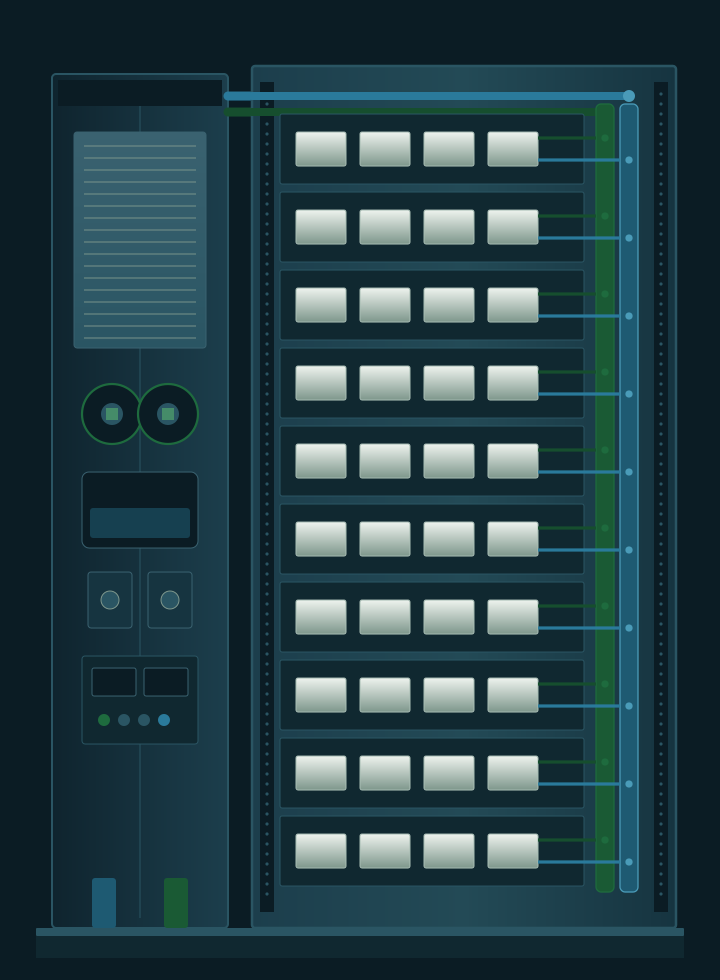
In-rack coolant distribution unit with supply and return manifolds and server cold plates
CDU to cold plate

05

Deployment

Deployment here means the design surviving contact with the data hall or pod. Coordination with the GC, the trades, vendors, BAS/BMS, and operations so power and cooling land in the order that was planned.

Klimaterra does not install, bid the trade, or take the work as a GC. Construction is not the work. Getting the sequence, the setpoints, and the turnover honest is.

Commissioning mixed plants sits here: design intent through functional tests on the air units, the CDUs, the loops, the power path, and the controls that tie them together.

06

Efficiency improvement

Efficiency work is on the installed base — cooling and power — not a catalog for new machines as the future of the data hall or pod.

On the cooling side: right-size, airflow and containment that still matter, heat rejection, DX versus chilled water, and whether an aging CRAC/CRAH still earns the floor. On the power side: distribution losses, overlap with the cooling load, and what can be improved without a full modernization.

The machine has to fit the data hall or pod. Advice is independent of who would like to sell the unit.

07

Uptime improvement

Uptime is whether the data hall or pod holds — through a unit failure, a change of medium, or the ordinary day. Cooling and power together.

Sequences, setpoints, residual plant that has to stay alive, and the redundancy that was assessed on paper being true in the white space. Used when the hall or pod is already running and something is not holding, or when modernization has to keep IT load up through the overlap.

The plant has to hold. That is the job — not the defense of a product line.

08

Performance witness testing

Performance witness testing is being present when the plant is proven — factory acceptance, site performance, or functional tests on the air units, CDUs, loops, heat rejection, and the power path that feeds them.

Klimaterra watches the test as an independent observer: what was specified, what was run, what the data actually shows, and whether the data hall or pod can take the load that was claimed. The report is for the owner, not for the vendor who ran the procedure.

This is not taking the commissioning-authority seat. Cx remains with the CxA of record. Witnessing is independent observation so the owner is not reading a vendor's own pass sheet as the only document.

09

Vendor assessment and grading

Vendor assessment is scoring plant and suppliers for the data hall or pod being operated — capacity, serviceability, redundancy, efficiency, and whether the equipment actually fits the white space. Power and cooling together.

The grade is written for that project. It is not a league table, not a subscription ranking, and not a paid placement. Klimaterra does not sell scores and does not publish a vendor leaderboard.

Independence is the point. Market and technology consultancy to manufacturers sits here too. A catalog, a rep, or a GC's preferred vendor is the wrong document to start from.

In short

Two questions.

  1. 01

    What consulting does Klimaterra do?

    Assessment, modernization, efficiency and sustainability gains. Data halls and pods — power and cooling. Assessment includes redundancy and assessments for financial events. Then planning, modernization design, and deployment as independent coordination. Uptime improvement and efficiency improvement. Performance witness testing is independent observation of factory and site tests; we are not the CxA of record. Vendor assessment and grading is written for a specific project, not a paid ranking. Liquid-to-chip and CRAC/CRAH are methods inside the work, not the headline. Independent consultancy. Not a manufacturer, not a GC, not a staff-aug shop. Assessments for financial events are independent technical assessment that can support a financial event. Klimaterra is not a banker, broker, or appraiser.

  2. 02

    Do you sell equipment or install as a contractor?

    No. Klimaterra is not a manufacturer representative and not a GC. No line card. Deployment is design-into-the-field: coordination with the project team, not taking the trade.

Contact

Start with the data hall or pod.